
When to Repair and When to Replace Your Sofa
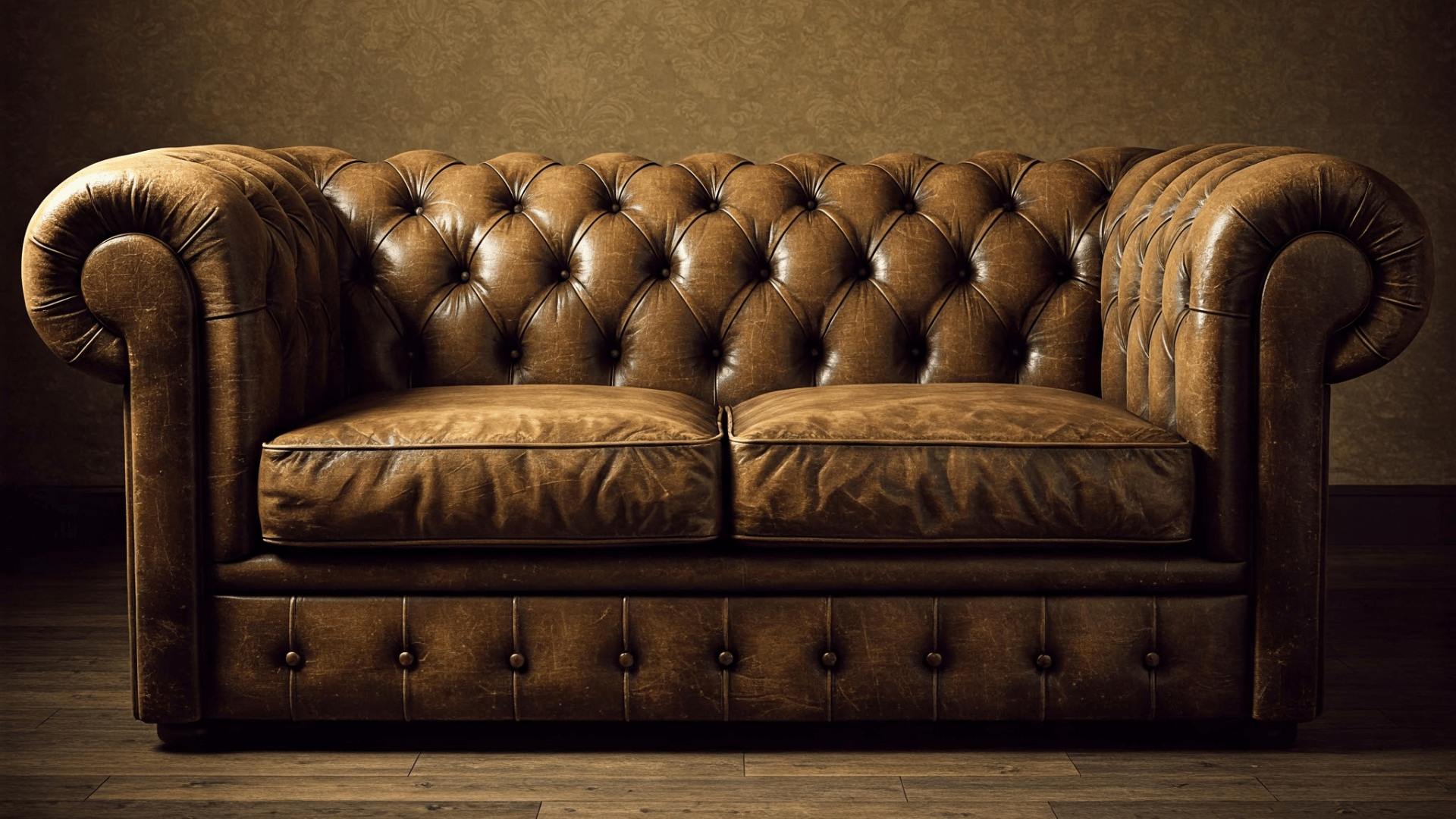
If you have a cracked, faded or scratched leather sofa, you’re probably asking the same question as most of our Chicago clients:
Is it worth repairing, or should I just replace it?
The answer depends on the quality of the piece, the type of damage and what you expect from the result. In this article, we’ll walk through how we evaluate leather furniture every day in Chicago homes and apartments – and how you can use the same checklist before you decide.
How to Judge the Quality of Your Leather Sofa
Before looking at the damage, it’s important to understand what you actually own.
1. Check the frame and construction
High-quality pieces usually have:
A solid wood frame (not particle board)
Good weight – they feel heavy when you lift one side
Stable arms that don’t wobble
Springs or webbing that still feel supportive
If the frame is broken or the cushions are completely collapsed, major structural work might not be worth it.
2. Look at the leather type
Genuine leather ages differently depending on its finish:
Aniline or semi-aniline leather – soft, natural, develops patina; great candidate for professional restoration and recoloring.
Pigmented/protected leather – has a coloured topcoat; very repairable for scratches, cracks and colour loss.
Bonded/faux leather – thin layer of “leather look” material that often peels. These are usually not worth a full restoration.
If you’re not sure what you have, a Chicago leather repair specialist can usually tell from clear photos.
Common Leather Sofa Problems We See in Chicago
Most of the sofas we restore share the same handful of issues:
Worn seat cushions and shiny, dark patches
Cracked or peeling colour on arms and headrests
Cat claw damage on the sides and back
Fading and drying from sun exposure near windows
Ink, dye or food stains
The good news: many of these problems are repairable with cleaning, filling and recoloring – especially on genuine leather.
When Leather Furniture Repair Is Worth It
From an expert’s point of view, repair is a smart choice when:
The frame is solid and comfortable.
If the sofa still “sits” well and you love the shape or size, repairing the leather is usually more cost-effective than hunting for a new piece.The damage is mostly surface-level.
Scratches, cracks, colour loss and minor pet damage can often be restored so they’re hard to notice.It’s a higher-end or sentimental piece.
Replacing a quality leather sofa or a piece with emotional value (wedding gift, heirloom) rarely feels good. Restoration lets you keep the original.You want to avoid a large purchase right now.
Professional leather repair in Chicago typically costs a fraction of buying a similar new sofa, especially for sectionals and recliners.
When Replacement Might Be Smarter
We’ll be honest: sometimes we advise clients not to invest in repair. It may be time to replace when:
The frame is cracked, warped or noisy
Springs are broken and cushions sag heavily
The sofa is made from bonded or very low-quality “leather look” material that’s peeling everywhere
You dislike the style and would rather put money toward something new
In those cases, small cosmetic fixes won’t solve the real problem.
How Professional Leather Furniture Repair Works
Every studio has its own process, but a typical workflow looks like this:
Assessment & quote – You send photos or book a visit. We identify the leather type, the damage and what’s realistically achievable.
Cleaning & prep – Old oils, dirt and loose finish are removed so new products can bond properly.
Repairs & filling – Cracks and worn areas are filled; loose seams or panels can be stitched.
Colour matching & recoloring – Custom-mixed dyes are applied in thin layers to match the original shade.
Topcoat & conditioning – A protective finish is added, then the leather is conditioned so it feels soft and flexible again.
The goal is always the same: a natural-looking repair that blends with the rest of the piece, not a thick painted surface.
Simple Tips to Extend the Life of Your Leather Sofa
Whether you repair or replace, a few habits will dramatically extend the life of your leather:
Keep sofas out of direct sunlight where possible.
Vacuum seams and wipe gently with a slightly damp cloth – no harsh cleaners.
Use a quality leather conditioner 1–2 times per year.
Give pets their own scratching surface and blankets.
Thinking About Leather Furniture Repair in Chicago?
If you’re still unsure whether your sofa is worth saving, the next step is simple:
Take a few clear photos in good light.
Show the seats, arms, back and close-ups of any damage.
Send them to a local leather repair studio for an honest opinion and quote.
Often, you’ll find that repair gives you a like-new look without the cost and hassle of replacing large furniture.
